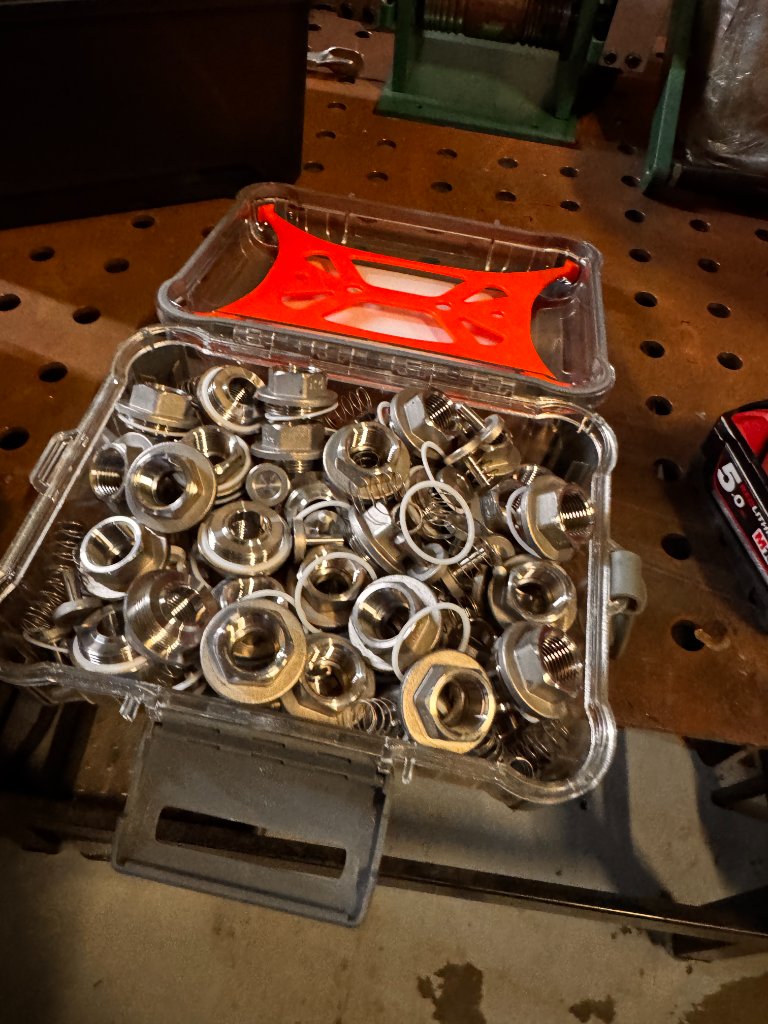
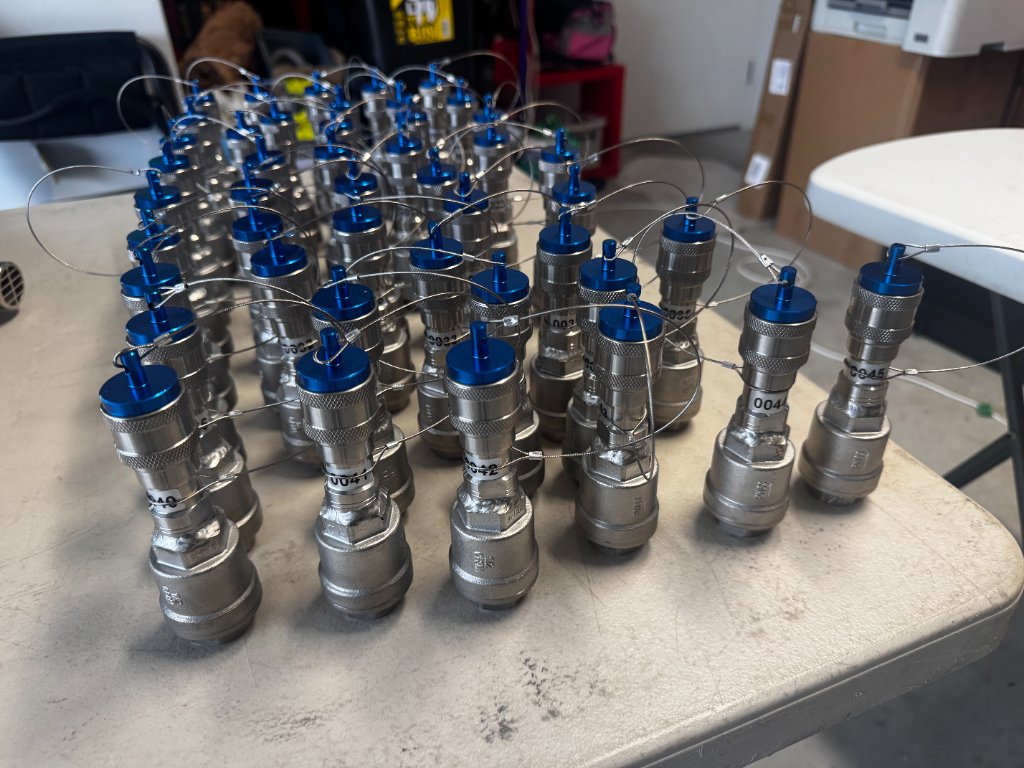
The latest production run of 50 non-return Trans-Sample oil sampling couplings for a major wind farm in South Australia marks another important step forward in improving transformer reliability and dissolved gas analysis (DGA) accuracy across renewable energy infrastructure. Designed, assembled and tested in Australia by Trans-Sample, these couplings are specifically engineered to provide repeatable, contamination-free oil sampling while significantly reducing the risk of introducing atmospheric air into critical transformer assets.
Traditional sampling methods can unintentionally allow small amounts of air to enter the transformer during the sampling process. Even minimal air ingress can distort DGA results by affecting oxygen and nitrogen concentrations, while also increasing the risk of moisture contamination. In wind farm environments where transformers are subjected to variable loading, harmonics and harsh environmental conditions, maintaining accurate diagnostic data is essential for early fault detection and asset management decisions.
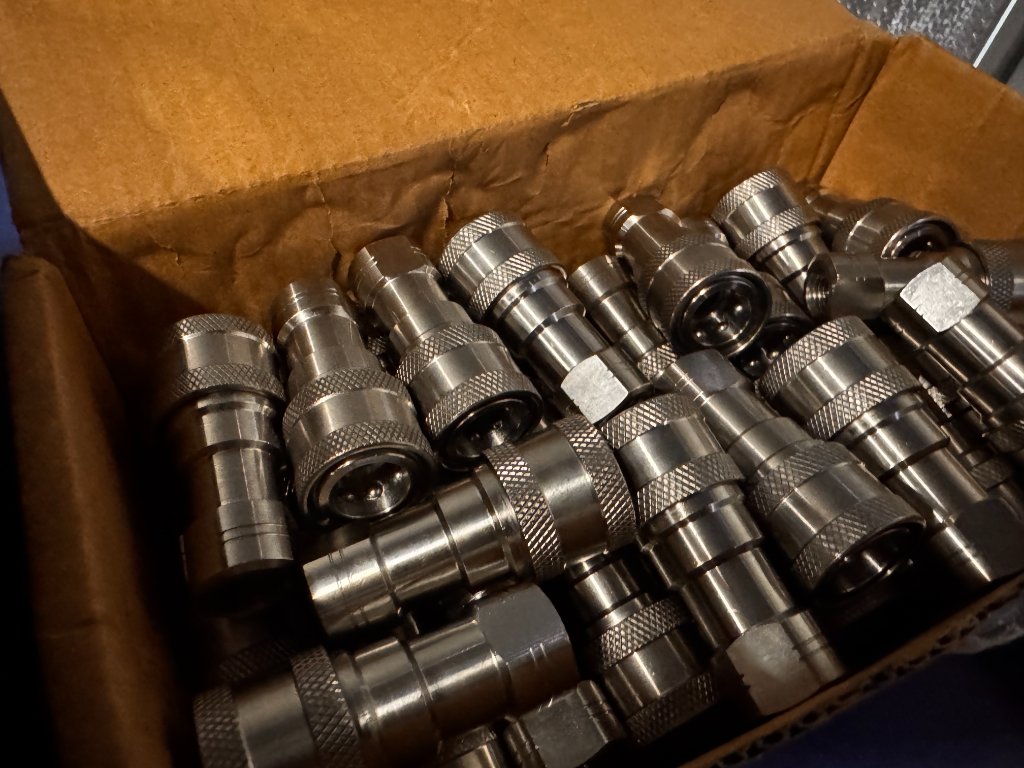
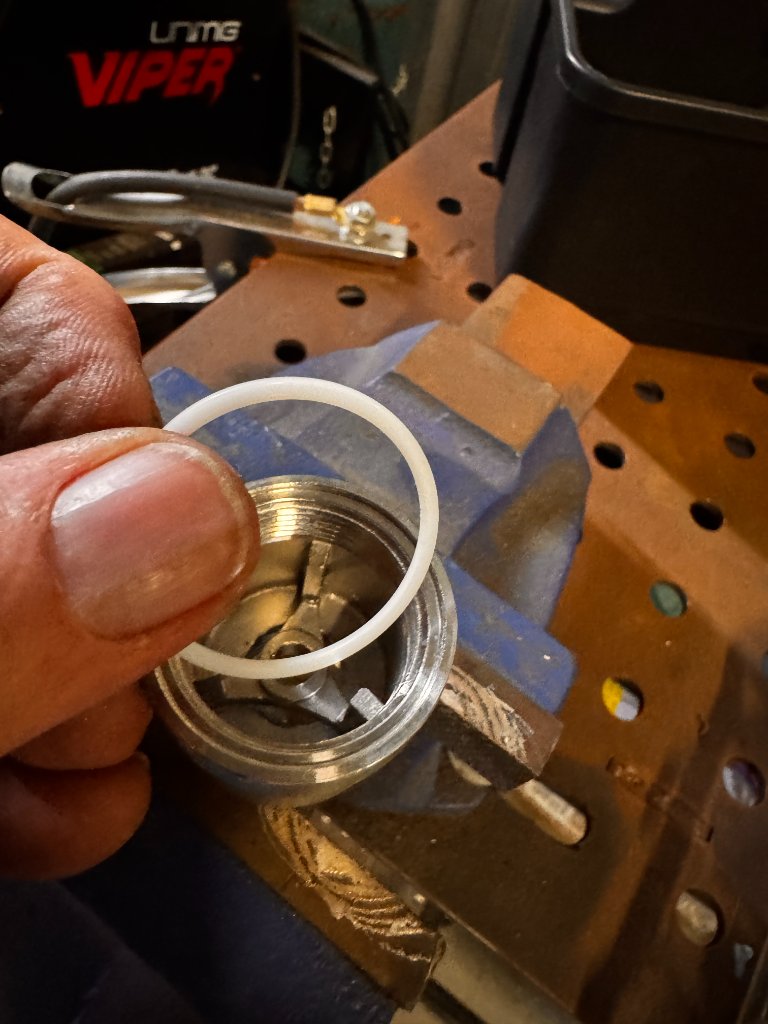
The Trans-Sample non-return coupling design effectively removes the chance of ingesting air during oil sampling by maintaining a sealed interface throughout the entire sampling process. The integrated non-return mechanism prevents reverse flow and eliminates the brief exposure to atmosphere that commonly occurs with conventional sampling valves. This ensures greater consistency between samples and improves confidence in trending key fault gases such as hydrogen, methane, ethylene and acetylene.
For the South Australian wind farm operator, the installation of these 50 couplings will enhance long-term transformer condition monitoring, improve repeatability of laboratory results and reduce the likelihood of false positives caused by contamination or poor sampling practices. As utilities and renewable operators continue to place greater emphasis on predictive maintenance and asset reliability, high-integrity sampling systems such as the Trans-Sample coupling are becoming an increasingly important part of modern transformer diagnostics and fleet management.